Shallow Water Blackout: What It Is and How to Avoid It
Freediving is one of the most rewarding ways to explore the ocean. In Bohol, particularly around Panglao, warm waters and vibrant reefs make freediving in Panglao Bohol increasingly popular among both beginners and experienced divers. While freediving feels peaceful and natural, it requires proper knowledge, discipline, and respect for physiology. One of the most serious risks in breath hold diving is Shallow Water Blackout, a condition that can occur suddenly and without obvious warning. Understanding why it happens and how to prevent it is essential for anyone entering the sport.
Why Shallow Water Blackout Happens
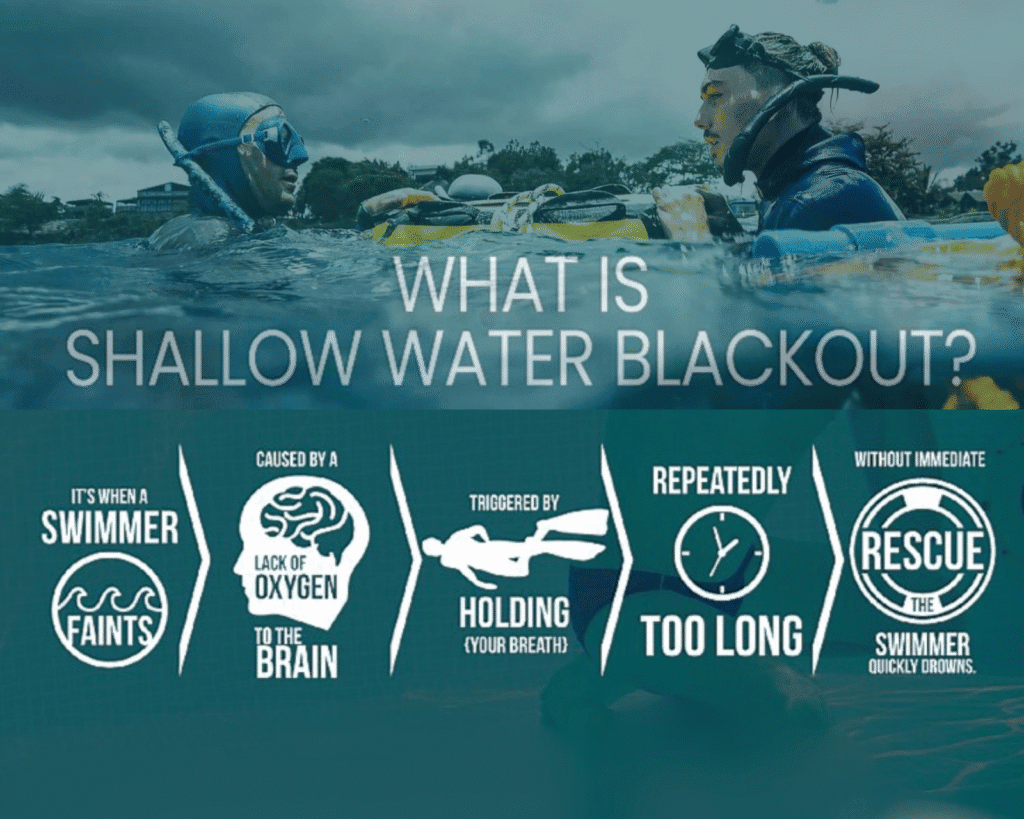
Shallow Water Blackout is a loss of consciousness caused by critically low oxygen levels during a breath hold dive. It most commonly happens during ascent, especially in the final few meters before reaching the surface. A diver may appear calm and controlled, then suddenly lose consciousness just before surfacing. Because it is caused by oxygen depletion rather than panic or water inhalation, it often happens silently. Immediate buddy assistance is critical to prevent serious consequences.
The Role of Oxygen Depletion
When you hold your breath, your body consumes oxygen while carbon dioxide rises. The urge to breathe is triggered mainly by increasing carbon dioxide, not decreasing oxygen. At depth, pressure temporarily keeps oxygen levels sufficient enough to maintain consciousness. During ascent, surrounding pressure drops quickly and oxygen levels can fall below the threshold required for the brain. This sudden drop near the surface explains why blackouts often happen in shallow water rather than at the deepest point of the dive.
Why Hyperventilation Is Dangerous
Hyperventilation lowers carbon dioxide but does not significantly increase oxygen. By suppressing carbon dioxide too much, it delays the body’s natural urge to breathe. This removes an important safety signal and increases the risk of oxygen dropping to blackout levels without strong warning. Safe freediving preparation focuses on calm, controlled breathing instead of rapid or forceful ventilation.
Why Blackouts Often Occur Near the Surface
The final meters of ascent are the most critical. As pressure decreases, oxygen partial pressure drops rapidly. A diver who feels comfortable at depth may suddenly lose consciousness just before breaking the surface. This is why active buddy supervision is essential in professional Freediving in Panglao and throughout Bohol.
Shallow Water Blackout vs Samba vs Hypoxia
Hypoxia refers to low oxygen levels in the body and is the root cause of both samba and blackout. Samba, also known as Loss of Motor Control, is a mild hypoxic event where a diver remains conscious but shows physical symptoms. Shallow Water Blackout is a complete loss of consciousness due to more severe oxygen deprivation.
Key differences:
Hypoxia: Low oxygen condition affecting the brain and body
Samba or Loss of Motor Control: Diver remains conscious but may show shaking, head nodding, or confusion
Shallow Water Blackout: Complete loss of consciousness caused by critical oxygen depletion
Recognizing these differences allows divers and buddies to respond quickly and appropriately.
Who Is Most at Risk of Shallow Water Blackout
Beginners and Untrained Divers
New divers are at higher risk because they may not fully understand oxygen physiology, ascent pressure changes, or proper recovery timing. Without structured instruction, they may push limits based on depth or time rather than safety awareness.
Snorkelers Practicing Breath Hold
Many incidents happen outside formal freediving settings. Casual snorkelers sometimes challenge themselves to stay underwater longer without supervision or knowledge of oxygen dynamics. Even shallow dives can become dangerous when proper safety protocols are ignored.
Freedivers Without Proper Surface Support
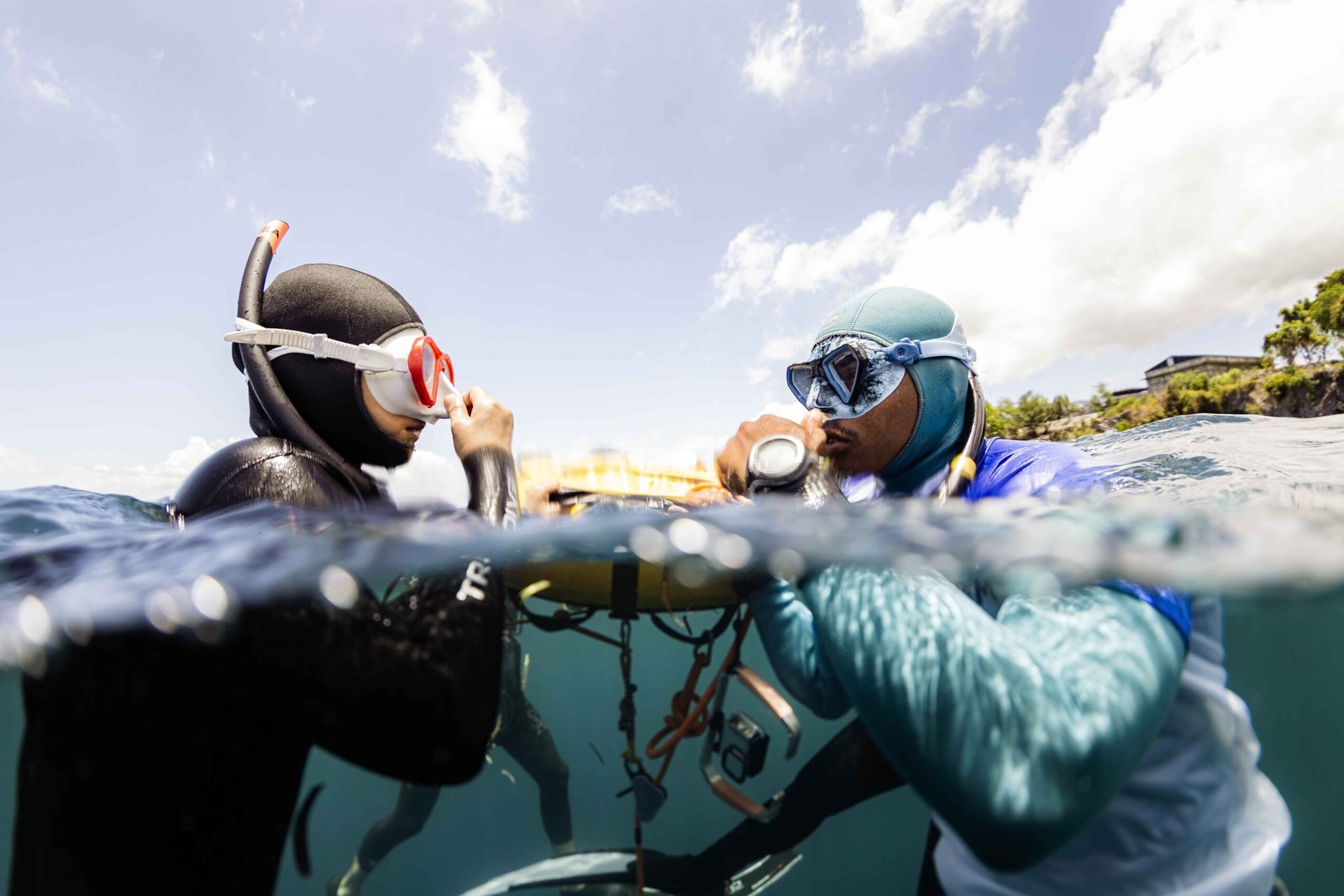
Diving alone greatly increases risk. A trained buddy should actively monitor every ascent and be ready to assist immediately at the surface. In structured training environments around Panglao, active buddy supervision is a strict and consistent standard.
How to Avoid Shallow Water Blackout
Shallow Water Blackout is largely preventable with proper habits and structured training. The most important safety principles include:
Never dive alone
Avoid hyperventilation before a dive
Maintain surface intervals at least two to three times your dive duration
Use efficient movement to conserve oxygen
Practice proper recovery breathing after surfacing
These principles are emphasized in professional programs for Freediving in Bohol, where safety is treated as the foundation of every dive.
What to Do If a Blackout Happens
Recognising Early Warning Signs
Early hypoxic signs may include tunnel vision, ringing in the ears, sudden weakness, confusion, or loss of motor control. If a diver shows these symptoms, the buddy must immediately support the airway above water, remove the mask if necessary, stimulate responsiveness, and encourage recovery breathing.
Why Training and Supervision Matter
Rescue skills must be practiced, not improvised. Professional freediving courses include blackout response drills, buddy monitoring techniques, and supervised open water sessions. When divers are properly trained and supported, most blackout situations can be managed quickly and effectively.
Why Safety Is Central to Freediving Training
Freediving is not about pushing extremes without preparation. It is about understanding your body, respecting physiology, and diving within structured safety systems. Modern freediving education combines breathing science, pressure awareness, and strict buddy procedures to create a disciplined and controlled experience. The calm that divers feel underwater comes from preparation, knowledge, and trust in the system.
Why Learn Freediving with Blue Freedom Apnea
At Blue Freedom Apnea, safety and education come first. Whether you are beginning your journey or advancing your skills in freediving, training focuses on oxygen awareness, proper breathing techniques, structured progression, and hands-on rescue practice. The waters of Bohol provide excellent conditions for learning, but the environment alone does not guarantee safety. Education, supervision, and disciplined practice do.
By choosing professional instruction, divers gain not only skill and confidence, but also the knowledge needed to prevent shallow water blackout and dive responsibly in one of the most beautiful regions of the Philippines.
Shallow water blackout is caused by low oxygen levels during ascent. As pressure decreases near the surface, oxygen can drop suddenly, leading to loss of consciousness without strong warning signs.
Can shallow water blackout happen to beginners?
Yes. Beginners are often at higher risk because they may not understand oxygen physiology, safe ascent techniques, or proper recovery times.
Can shallow water blackout happen to beginners?
Yes. Beginners are often at higher risk because they may not understand oxygen physiology, safe ascent techniques, or proper recovery times
Is hyperventilation before diving dangerous?
Yes. Hyperventilation lowers carbon dioxide levels, delaying the urge to breathe without increasing oxygen significantly. This increases the risk of blackout.
What are the warning signs before a blackout?
Possible signs include tunnel vision, ringing in the ears, weakness, confusion, or loss of motor control. However, blackouts can also happen suddenly without clear warning.
Is it safe to practice breath-holding without an instructor?
No. Breath hold diving should always be practiced with proper training and active supervision. Diving alone significantly increases risk.
Blue Freedom Apnea is an AIDA certified freediving club and non-profit based in Panglao Island, Philippines that provides high quality freediving courses and training to both clients and interns.